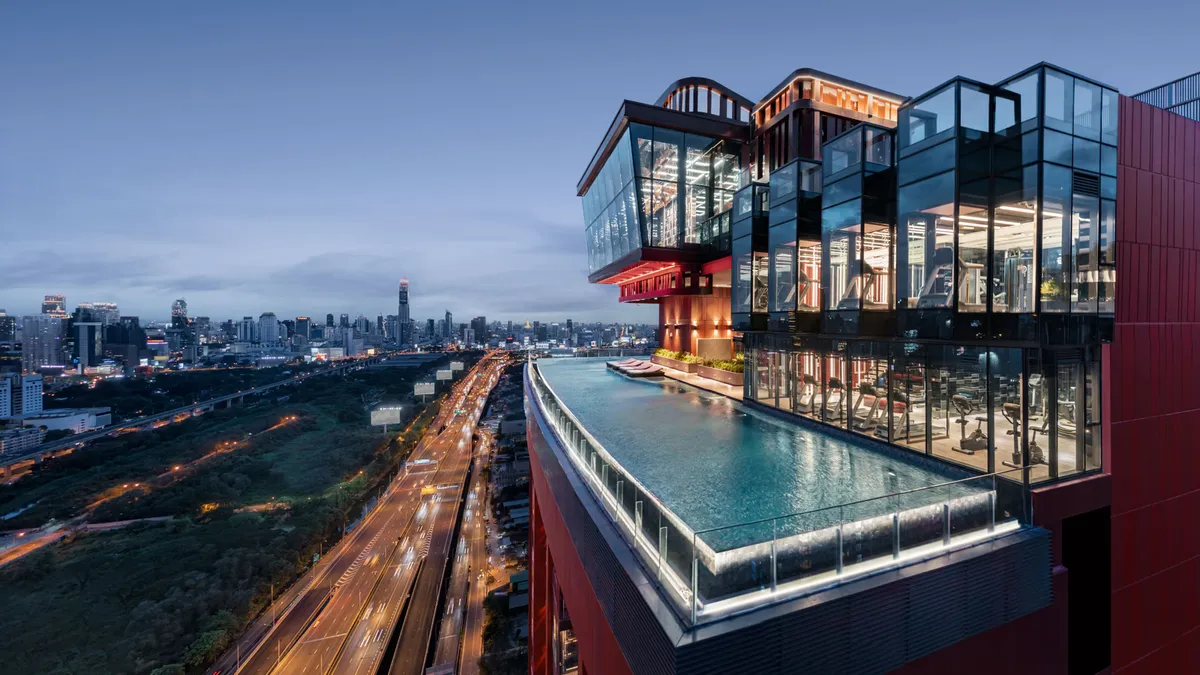
Bangkok skyline at golden hour — CERØ Thailand destination
← All destinations Destination · Thailand · DTV visa

Thailand.

The country we live in. The destination most CERØ members choose. A five-year DTV visa, 0% on foreign income kept outside Thailand, and a desk in Bangkok that meets you off the plane.

In short

A Thai tax resident, meaning anyone in Thailand for 180 days or more in a calendar year, pays tax on foreign income only in the year it is brought into the country, and income earned before 2024 is left out. The DTV visa runs for five years. Work done while in Thailand is Thai income, wherever it is paid.

0%On foreign income kept abroad
5 yearsDTV visa length
180 daysA year, for Thai tax residency
9/10CERØ members choose Thailand
01 · Why Thailand

Why we keep
choosing Thailand.

We tested half a dozen jurisdictions before opening the desk in Bangkok. Thailand wins on the things you live every day: a visa that doesn't run out, the light at 6am, the dinners with people who actually showed up. The numbers happen to work too.

01

Five years of staying still

A five-year, multi-entry visa. Apply once, stay up to 180 days per entry, extend once, and keep the same home for five years. No monthly visa runs, no renewal calendar quietly eating your weekends.

02

Keep what you earn

Foreign income earned and held abroad isn't taxed in Thailand. The same year Europe takes half, you keep all of it. The morning that buys is the morning the rest of your life starts.

03

Your business doesn't move with you

Your clients in Berlin won't know you've moved. Your contracts, your invoices, your operations — all of it runs from a balcony in Bangkok or a co-working space in Chiang Mai. Nothing about your business has to break.

04

Healthcare without the wait

Bumrungrad, Bangkok Hospital, Samitivej. International standards, half the European price, zero waiting list. Private cover from €60–120/month — and this time you actually use it.

05

Mornings that line up with Europe

GMT+7 — six hours ahead of London in summer, seven in winter. Your afternoons land right on Europe's morning. The Zoom calendar shifts; it doesn't break. The clients you had in Berlin keep showing up.

06

People who already did this

CERØ runs from Bangkok. The team has already made the move you're about to make. We meet you off the plane, walk you through every embassy queue, and stay around for the extensions — and the dinners after.

02 · The DTV visa

Five years.
One application.

The Destination Thailand Visa is the cleanest long-stay option Thailand has ever offered remote workers. Here's what it means in practice.

Before · Visa-free entry

Out every 30 days.

  • 30-day stamps since 15 September 2026, border runs, hostel queues
  • No legal work status, no formal residency
  • No tax residency certificate to send your old country
  • Health cover optional. Treated like a tourist.
  • Tax residency unclear. Audit-vulnerable.
After · DTV holder

Five years, written down.

  • 180 days per entry, multi-entry, valid for five years
  • A visa made for remote work for employers and clients abroad
  • Tax-residency certificate once you file as a Thai resident
  • No insurance requirement. Private cover from €60–120/month, by choice.
  • Clean Thai tax residency, with a paper trail to prove it
03 · Cost of living

Half the cost.
Twice the room.

Bangkok and Chiang Mai, monthly, for one person living well. Not the backpacker version.

€650 Rent a month · 1 bedroom, central Bangkok
€350 Rent a month · 1 bedroom, Chiang Mai
€300 Food a month · eating out daily
04 · Where you live

Buildings worth
waking up in.

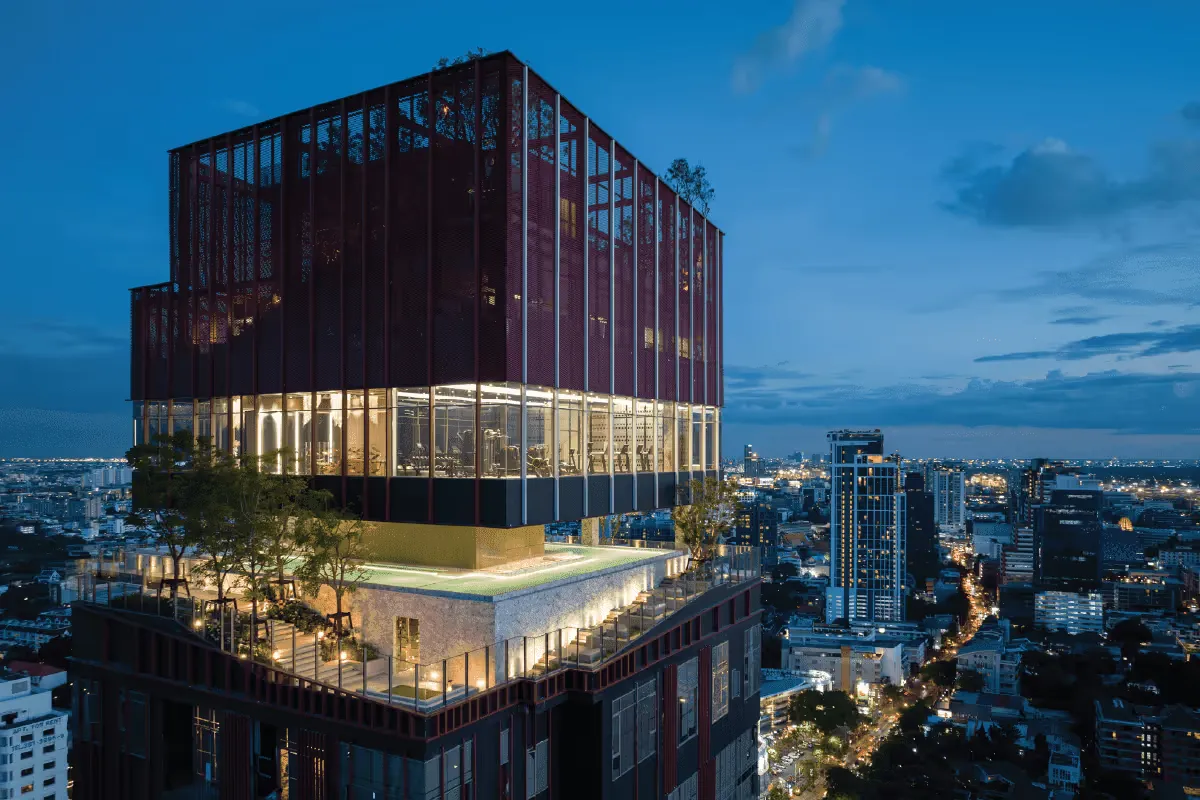
Seventeen condos we know cold — neighbourhoods, building managers, what the gym is like at 7am. Three to give you the range.

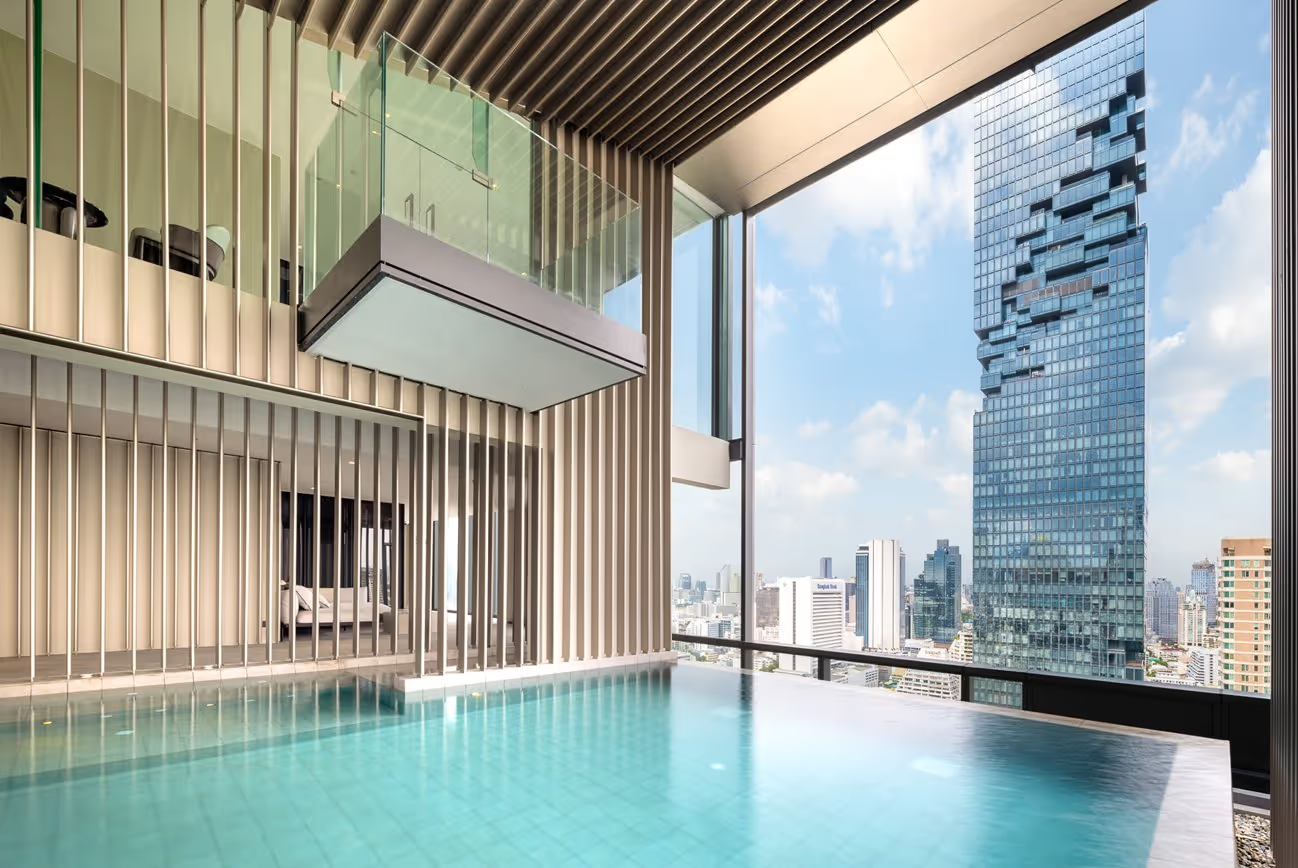
MahaNakhon · Ritz-Carlton
Luxury

Silom · Sathorn · Bangkok

View details
From €3,000 /month
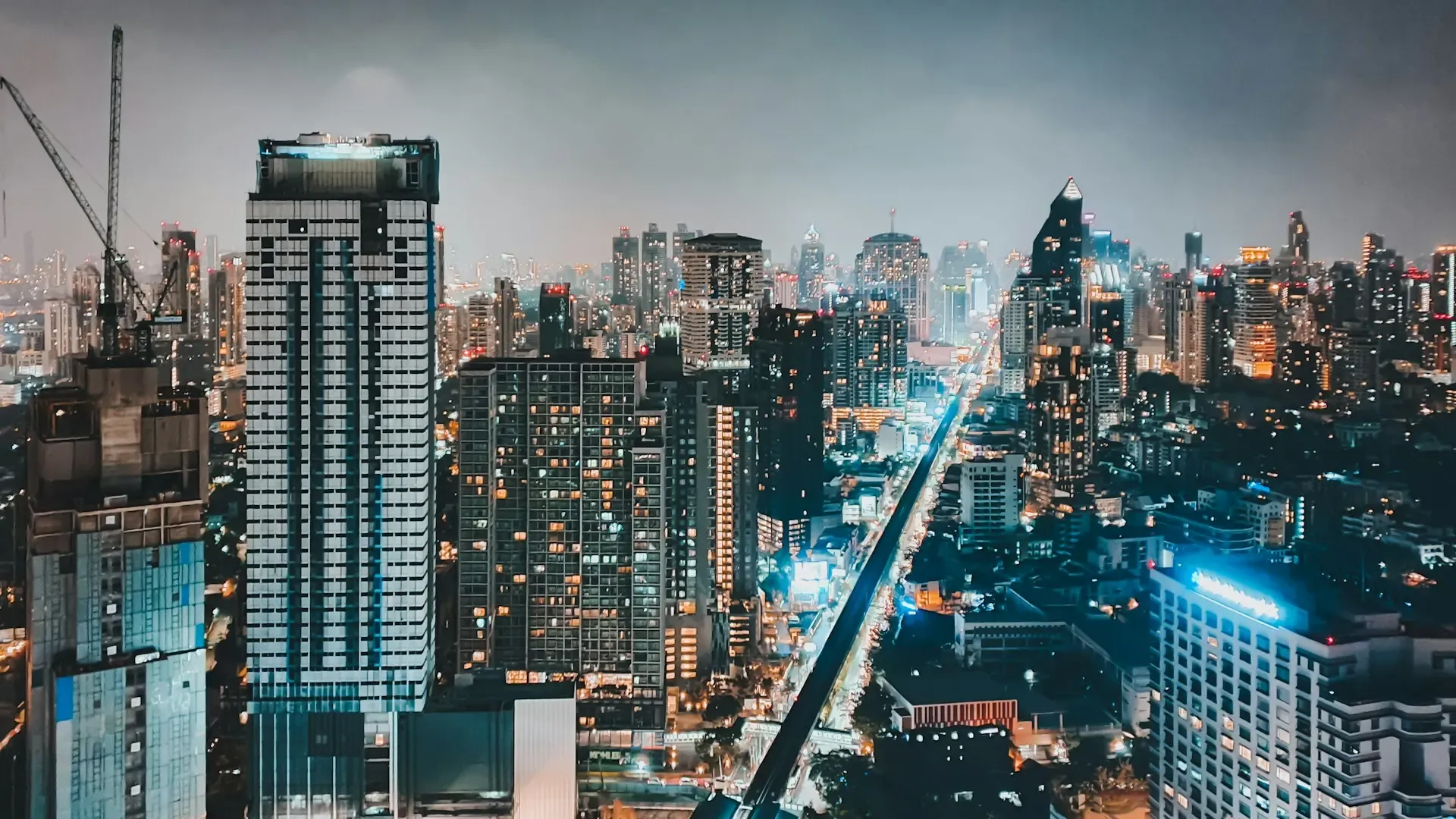
Rhythm Ekkamai Estate
Premium

Ekkamai · Bangkok

View details
From €890 /month
Life Asoke Hype

Asoke · Bangkok

View details
From €510 /month
Thailand tax calculator

Run the
Thailand number.

How much more you could keep a year by moving your tax residency to Thailand. Your country, what you earn and how, and the city and the life you would pick in Thailand: that is all it needs.

How you earn
EUR

€120,000 a year · €10,000 a month

Your life in Bangkok

Monthly budgets for one person, itemised in our Bangkok price guide.

Your result is ready.

Unlock it with your name and email.

We show the estimate immediately, then use your details to follow up only if the numbers suggest a real move.

A picture of the day

Picture it for
a second.

The morning is yours before anyone in Europe is awake. The work pays for itself. The life around it is the one you'd choose if you were choosing for the first time. This is what you're moving to.
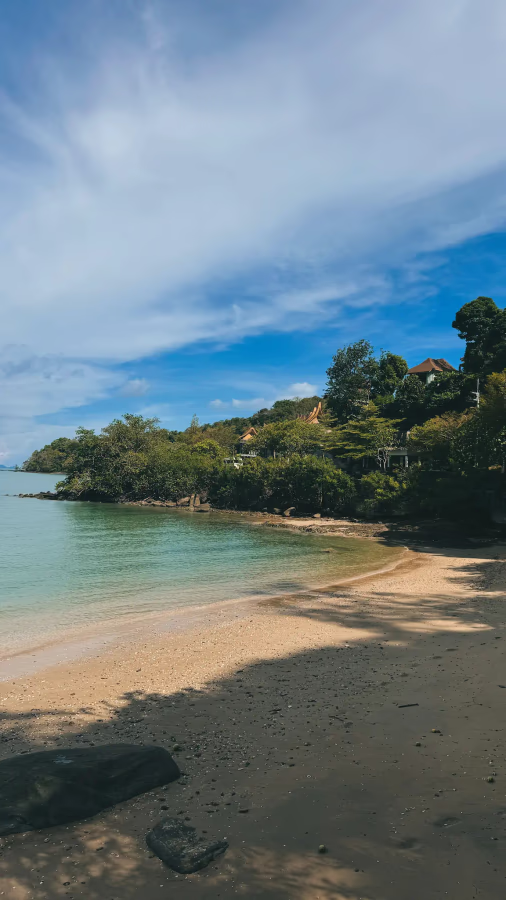

Thai island beach with clear turquoise water
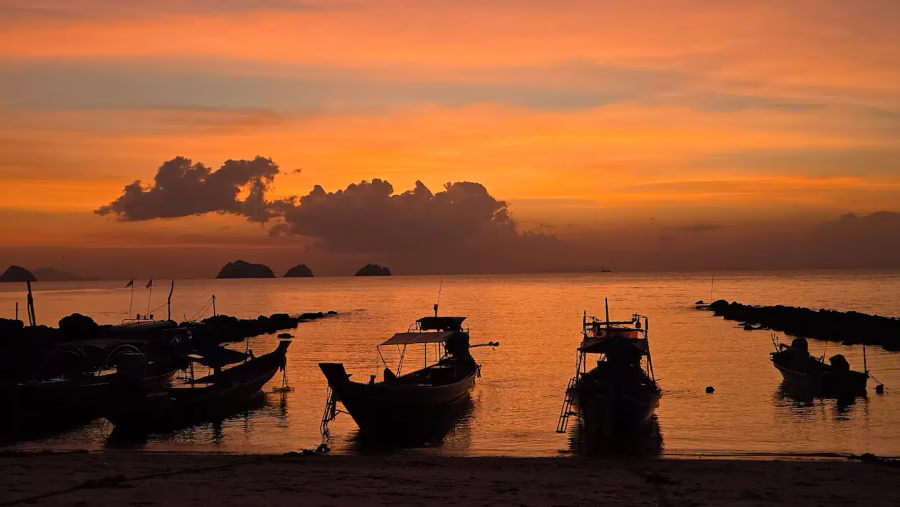
Beach in Krabi at sunset
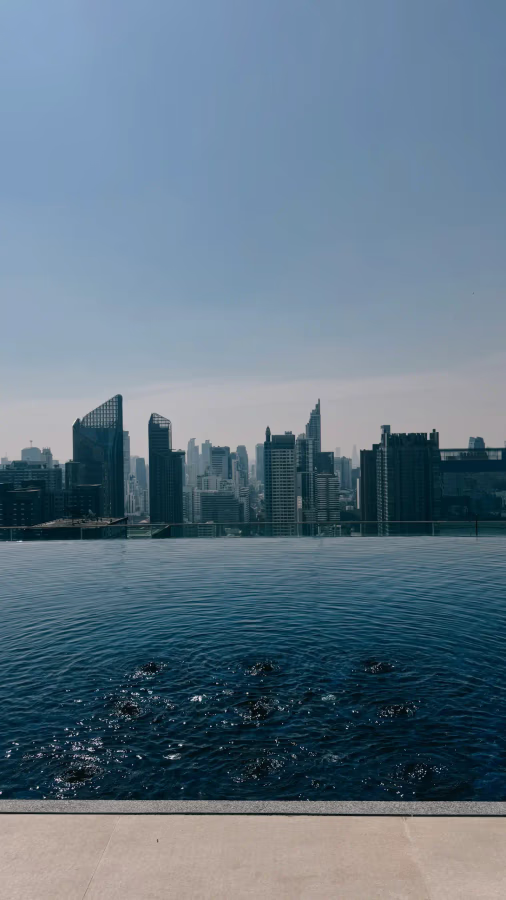
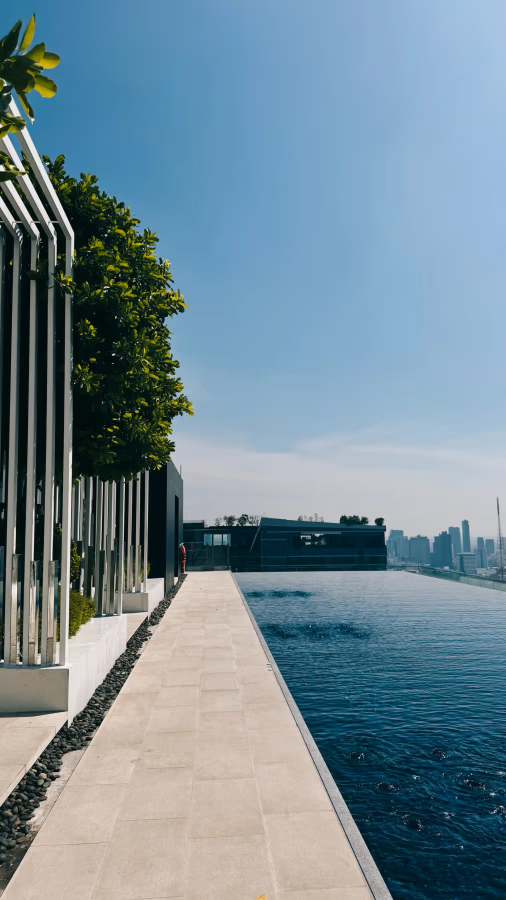
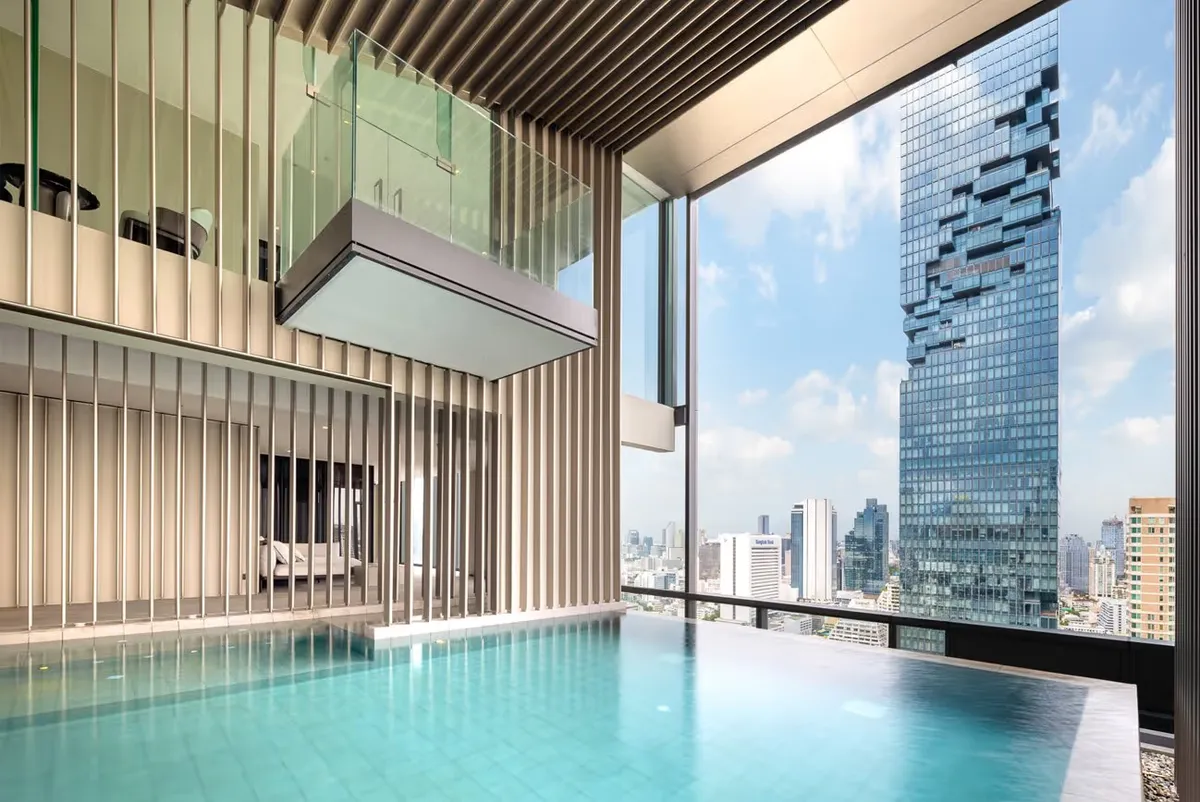
Rooftop infinity pool with Bangkok skyline
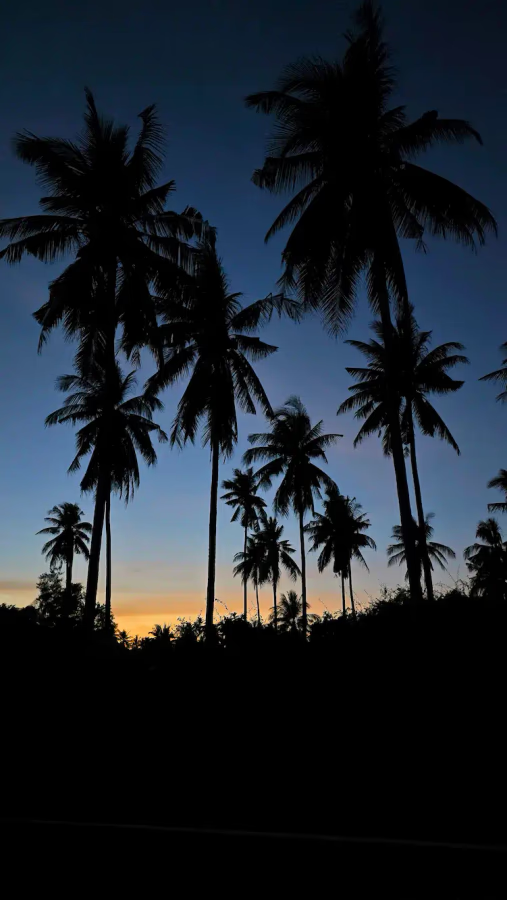
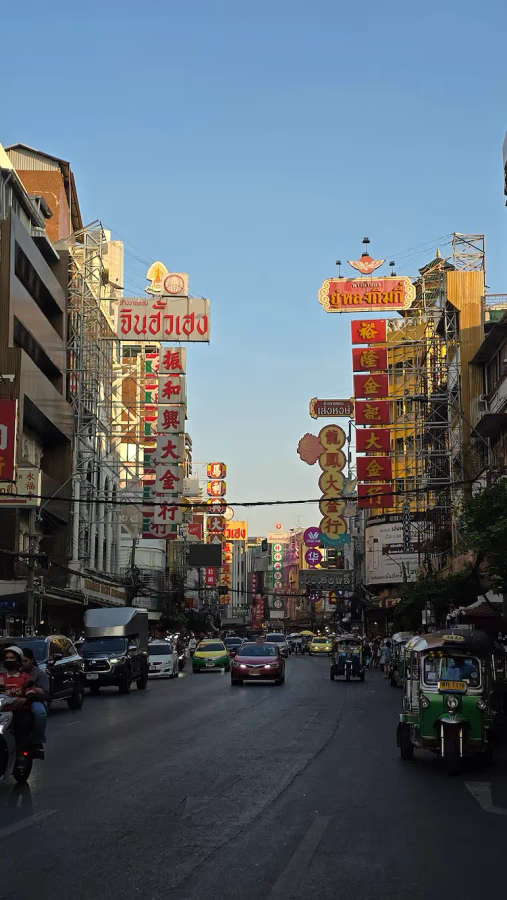
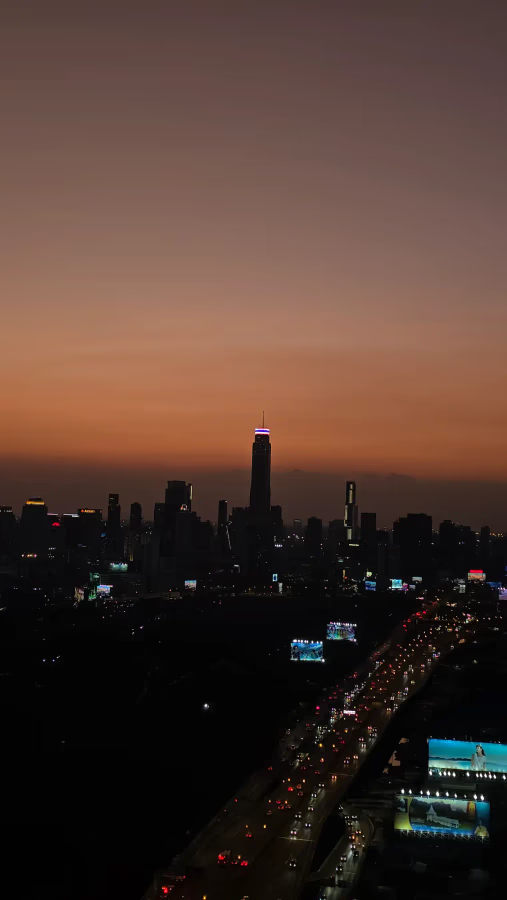
Thailand evening scene
Thailand wide lifestyle scene
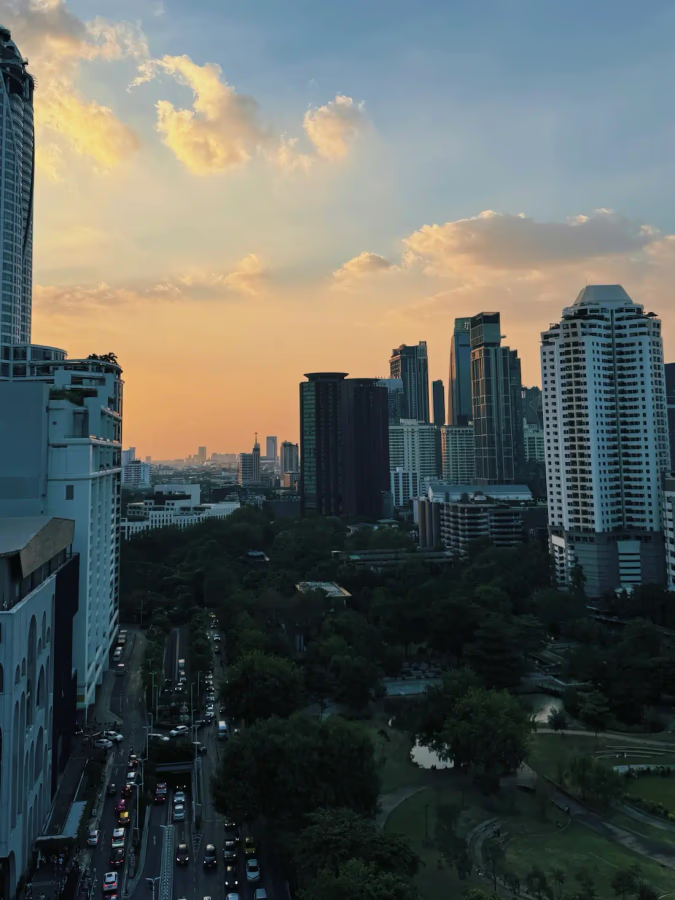
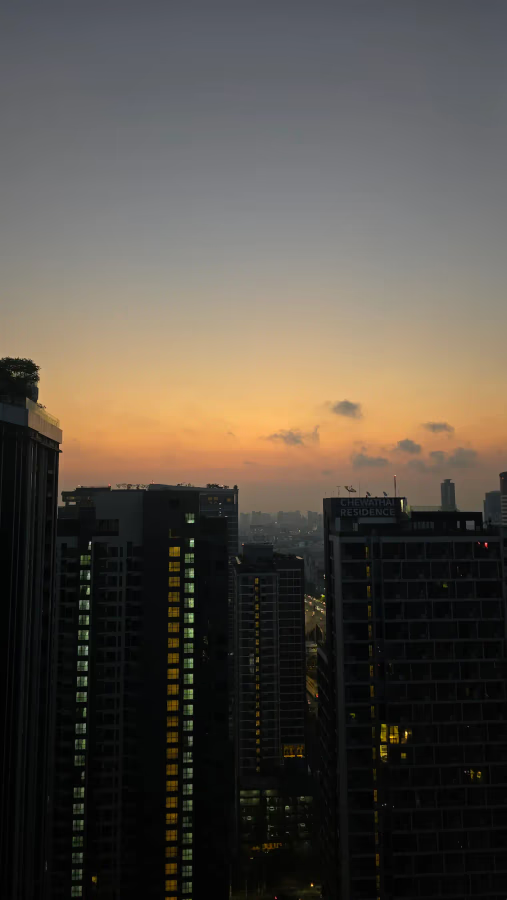
Bangkok skyline at golden hour
Thailand portrait lifestyle scene
Thailand daily life scene
Infinity pool at the Mahanakhon
Thailand lifestyle detail
Rooftop pool walkway with Bangkok skyline
Thailand evening lifestyle scene
Thailand city lifestyle scene
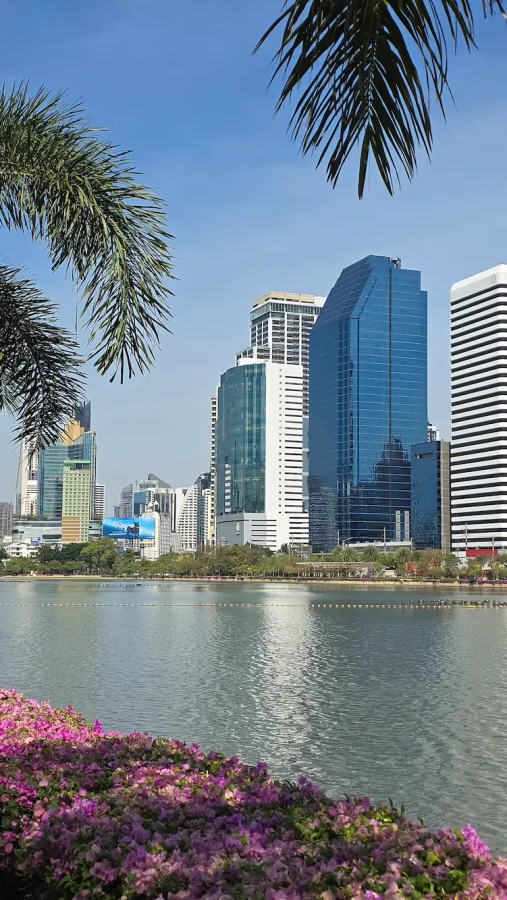
Bangkok and Lumpini park at sunset
Thailand neighbourhood lifestyle scene
Thailand vertical lifestyle scene
Thailand vertical city scene
Thailand vertical travel scene
06 · Thailand FAQ

What people
ask about Thailand.

The questions that come up on every diagnosis call. Real questions, real answers.

Do I really pay 0% tax on my online income?

On foreign-source income earned and held abroad, yes. Thai-source income — a Thai client, a Thai employer, Thai property — is taxed normally. The 2024 amendment tightened remittance rules but left foreign earnings kept abroad untaxed. There are clean ways to bring money in without paying tax you don't owe, and we build the structure with you.

Do I have to spend 180 days a year in Thailand?

For tax residency, yes — 180 days inside Thailand in a calendar year. For the visa itself, no: you can stay in 180-day blocks per entry and reset by exiting and re-entering. Most members choose the 180-day route anyway, because it produces the tax-residency certificate that closes their EU file.

Can I bring my family?

Yes. The DTV covers a spouse and children under 20. International schools in Bangkok and Chiang Mai run €8–25k a year.

What about my EU company?

Three options: keep it and manage withholding properly, wind it down cleanly with our help, or migrate the operating company to a Thai or third-country structure. We pick the one that keeps your client contracts intact and your tax footprint cleanest.

How fast can I be on a plane?

Diagnosis call this week. DTV application kit ready the next. Most members land in Bangkok six to ten weeks after they sign with us, with the visa in hand.

How much money do I need to get the DTV?

About THB 500,000 (≈€13,000) in your bank account, shown on your statements.

Does the DTV make me a Thai tax resident?

No. The visa decides whether you can stay; your days in the country decide where you pay tax. Spend 180 days or more in Thailand in a calendar year and you are a tax resident for that year. Spend fewer and you are not, whatever visa you hold. More in our guide to the 180-day rule.

What if I spend less than 180 days in Thailand?

Then Thailand won't treat you as a tax resident, and your old country may keep claiming you. Being resident nowhere doesn't hold up in practice. If the point is to close your file in Europe, plan the year so you reach 180 days.

What happens when I bring money into Thailand?

Money you earned since 1 January 2024 is taxed in the year you bring it in, even if you earned it years before. Savings from before 2024 come in tax-free, so keep the bank statements that show when you had them. If you already paid tax on that income in a country with a tax treaty, it counts against the Thai bill. More in our guide to the 2024 remittance rule.

Can I work for Thai clients on a DTV?

No. The DTV is for remote work for employers and clients outside Thailand. Working for a Thai company or client needs a work permit, and that income is taxed in Thailand from the first baht.

Do I need health insurance?

The DTV doesn't require it, but you should have it. Your EU health card stops working the moment you leave Europe. Private cover runs €60–120 a month, and a serious hospital stay in Bangkok costs far more than that without it. More in our health insurance guide.

Should I get the LTR visa instead?

Only with serious capital. It asks for USD 1 million in assets plus USD 500,000 invested in Thailand. For most freelancers and founders, the DTV is the right fit. More in our LTR vs DTV comparison.

Land
in Bangkok.

A 30-minute discovery call. We tell you whether Thailand is the right move — no pressure, no pitch. If it isn't, we'll say so and point you somewhere that fits.